
Clinical guide

Protein Requirements for Rehabilitation
Protein supplies amino acids for muscle and for other tissues. The right amount depends on age, body size, kidney function, and how much the person is eating overall. There is no single number for every rehabilitation patient.
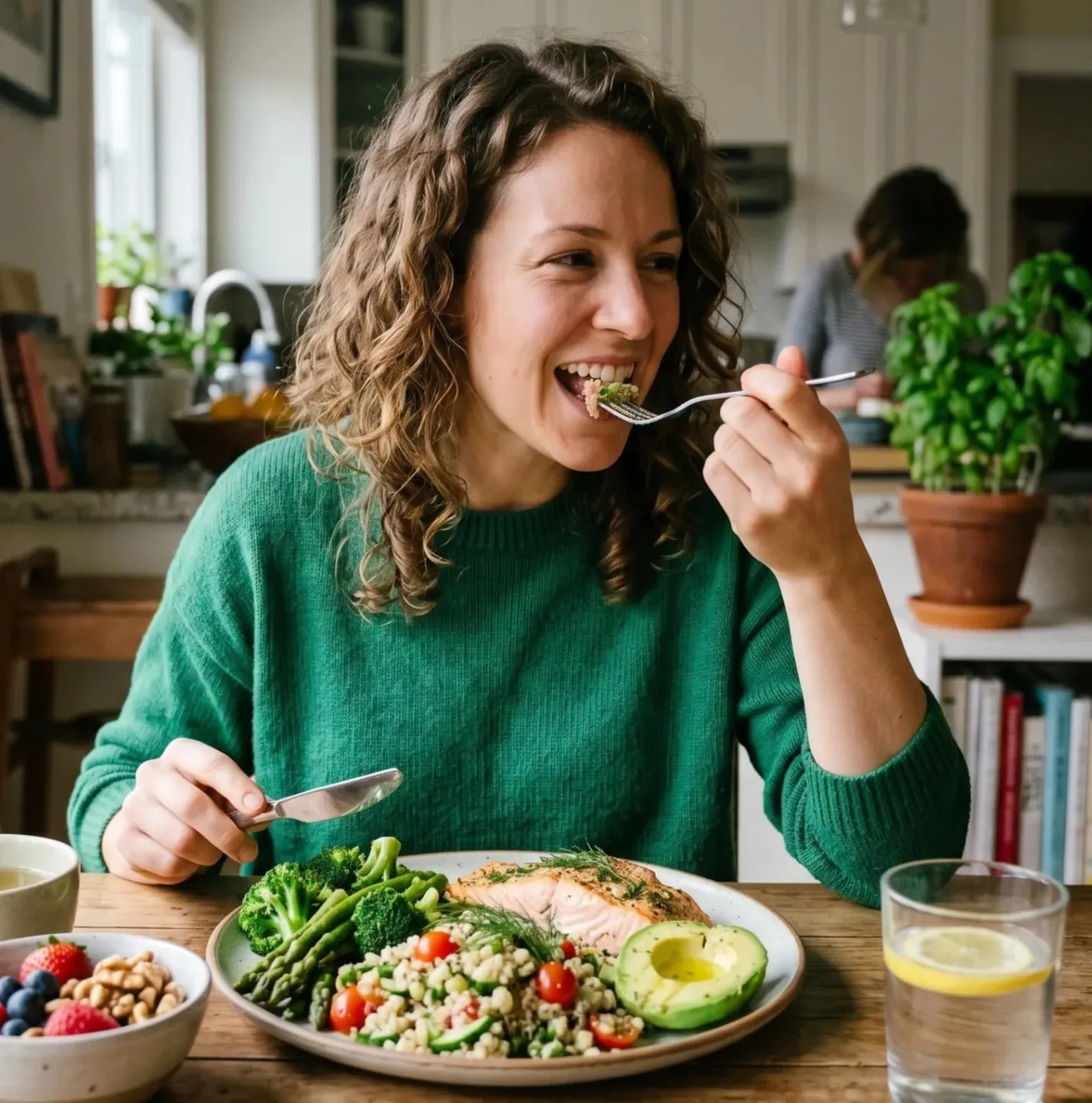
What protein does during recovery
Skeletal muscle uses dietary protein to replace proteins that were broken down. Inactivity and injury increase that breakdown. Eating protein at intervals through the day is a strategy described in sports-nutrition and aging research. It supports the loading program. It does not create strength by itself.
Published ranges, with the qualifiers attached
The PROT-AGE group recommended about 1.0 to 1.2 grams of protein per kilogram of body weight per day for healthy older adults, and higher intakes for older adults with acute or chronic disease when kidney function allows. Those are expert-group figures for a population, not an order you should write in a chart. People with chronic kidney disease, or anyone on a prescribed protein limit, need the dietitian and the physician who set that limit.
Athletes in heavy training are often discussed in a similar gram-per-kilogram range in the American College of Sports Medicine joint position statement. An injured athlete who has suddenly stopped training may still need enough protein and energy to heal. Calculating that number is a referral when the person has a medical condition or a history of disordered eating.
When to stop and refer
- Kidney disease or a prescribed protein restriction.
- Diabetes with questions about meal timing and medication.
- Possible eating disorder, or an athlete who is intentionally under-eating.
- A request for a supplement dose, powder, or amino-acid product.
- Poor wound healing plus weight loss.
Related resources
Malnutrition
Low intake is more than a protein question.
Injury recovery
Energy and fluids sit beside protein.
12-CEU bundle
Each course is 4 CEUs. The bundle is 12 CEUs.
Protein is a course topic, not a protocol on this page
The course sequence teaches the concepts. It does not authorize a personal protein prescription.