
Alani Nu in the Clinic: Performance Booster or Just Pretty Packaging?
Sep 09, 2026
Hi all! We are taking a break from our Costa Rican Nutrition Series to bring you this fun research update -- enjoy it over some coffee or a Alani nu!
If you treat active patients, from college athletes to weekend warriors, you’ve probably seen the brightly colored cans of Alani Nu in your clinic's waiting room. Known for its aesthetic branding and sweet flavors, this energy drink has exploded in popularity.
But as a physical therapist, how should you view it when patients ask if it's helping or hindering their rehab and training? Let's break down the formula, connect it to some recent research, and separate the actual performance perks from the marketing fluff.
The Formula: What's Actually Inside?
While the label highlights a proprietary "Energy Blend," the active components driving any real physiological effects are straightforward. A standard 12 oz can of Alani Nu contains:
200 mg of Caffeine: Roughly equivalent to two cups of coffe.
Taurine: An amino acid commonly found in energy drinks.
L-Theanine: Often paired with caffeine to smooth out "jitter.
B-Vitamins & Biotin: Marketed heavily toward hair, skin, and nail heal.
L-Carnitine & Ginseng: Trace amounts added for perceived metabolism and energy support.
So, does this combination actually translate to better physical performance?
The Perks: Power and Reaction Time
A recent 2026 randomized crossover trial by Köse et al. looked specifically at how low-dose caffeine and taurine combinations impact physical and cognitive performance. The study tested 32 young, resistance-trained men using a combination of 2 mg/kg of caffeine (about 160 mg for the average participant) and 10 mg/kg of taurine (about 800 mg).
Because Alani Nu contains 200 mg of caffeine (which is roughly 2 to 3 mg/kg for a typical adult) along with taurine, this study gives us a highly relevant window into the drink's potential effects.
The Findings:
Lower-Body Power Output: The combination of low-dose caffeine and taurine moderately increased average power during a 30-second Wingate cycling test, compared to taking caffeine alone or a placebo. If you have patients doing high-intensity interval training (HIIT) or anaerobic power work, this combination might offer a slight edge in sustaining power output.
Cognitive Performance & Reaction Time: While this specific trial didn't find significant cognitive improvements on their specific impulse-control test, the researchers noted that broader evidence (like a 2025 network meta-analysis) shows the caffeine-taurine combination ranks highest for improving reaction time. For athletes returning to sport, that faster processing speed can be a notable benefit.
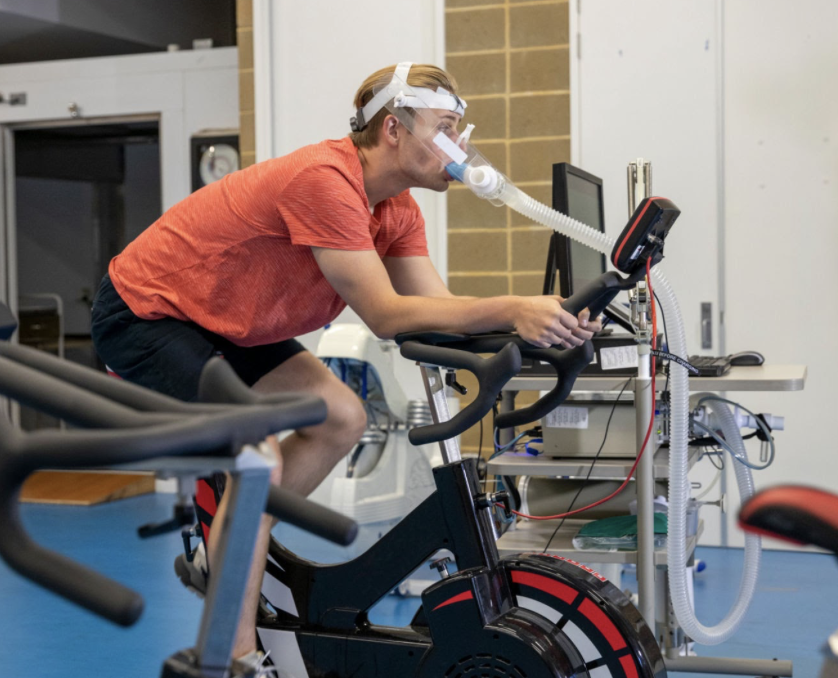
Wingate Test
The Myths: Calling Out Inflated Claims
It's easy for patients to fall for the halo effect of good marketing. When discussing Alani Nu with your clients, it’s important to draw criticism around a few inflated benefits:
The "Clean Energy" Myth: Alani Nu is heavily marketed as a "clean" alternative to traditional energy drinks. Physiologically, 200 mg of anhydrous caffeine acts the same way in the body regardless of whether the can is pastel pink or neon green. It blocks adenosine receptors to reduce fatigue. There is no such thing as "cleaner" caffeine.
Metabolism & Fat Burning: Ingredients like L-carnitine and ginseng are often touted as fat burners. However, they are present in such trace amounts in these drinks that they provide no meaningful metabolic boost or weight-loss benefits.
The Biotin Beauty Claim: The drink includes biotin, which is often heavily marketed to female consumers for skin and nail health [1]. However, acute consumption of biotin before a workout does absolutely nothing to enhance muscle strength, endurance, or recovery.
The Clinical Takeaway
Should you recommend Alani Nu to your patients?
If a patient enjoys the taste and tolerates artificial sweeteners (like sucralose and erythritol) well, it’s a perfectly viable pre-workout option [1]. The 200 mg dose of caffeine combined with taurine sits right in that "sweet spot"—it's enough to potentially improve anaerobic power output and reaction time without pushing into the 400+ mg territory that often causes GI distress and severe jitters.
However, remind them that they are paying for a moderate caffeine/taurine boost—not a magical fat-burning, detoxifying beauty elixir.
Upgrade Your Practice with Evidence-Based Nutrition
Our specialized curriculum bridges the gap between physical therapy and nutrition, deep-diving into high-demand clinical topics including:
Chronic Disease Interventions: Practical nutritional strategies to accelerate recovery in patients battling obesity, diabetes, and cardiovascular diseases.
Metabolic Support Protocols: Advanced dietary frameworks tailored to enhance physical therapy outcomes for patients with complex metabolic disorders.
Real-World Clinical Case Studies: Step-by-step breakdowns demonstrating exactly how to integrate safe, legal nutritional counseling into your daily PT care plans.
Every course is built by DPTs to emphasize practical, evidence-based learning—ensuring you can confidently apply these skills at the clinic tomorrow morning while earning your mandatory CEUs.
Dr. Wells here from St. Augustine. We're taking a little break for our Costa Rica nutrition series to cover something called Alani Nu. As a physical therapist, I've been seeing a lot more of these cans floating around. Maybe you've seen them too, colorful cans of caffeine and taurine and other herbal compounds. So I have to ask, does it help with performance or is it just pretty marketing in a can, right?
[00:25-00:48]
So a recent 2026 trial kind of took a look just at this combo, that caffeine and taurine. And guess what they found out? It did improve power performance on the Wingate test. It also improved reaction time a little bit. So they looked at other cognitive functions that didn't have much impact on those. But with two hundred milligrams of caffeine, it kind of hit that nice sweet spot for performance overall.
[00:48-01:13]
I wouldn't fall for too much of the marketing fluff. There's other compounds in here that, you know, that this is clean caffeine. Honestly, there's no real difference between the caffeine you get from a neon can or a pretty blue can. Your body processes it the same way. And there's other compounds in there like certain herbs and things that might offer some benefits like biotin and things, but I don't think it's really going to help you while you're doing your squats in the gym.
[01:13-01:33]
So, yeah. In the end, as a physical therapist, what would I say? I think it's a moderate power booster. It's like any caffeine or anything. But I'd love to hear what's your pre-workout routine or what's your pre-workout. For me, it's just straight-up coffee. So I'd love to hear your thoughts. In the meantime, check out the research article and our board-approved nutrition courses for physical therapists.
Disclaimer: The author has no financial ties or affiliations with Alani Nu. The brand names and trademarks referenced in this post are the property of their respective owners. This content is provided for continuing education for healthcare professionals and does not constitute individualized medical or nutritional advice.
Complete Your CEUs & Save $148
Knock out 12 Board-Approved CEUs in one structured, self-paced curriculum. Get lifetime access to all 3 comprehensive courses, master clinical nutrition, and complete your license renewal requirements stress-free.
12 Continuing Education Units (CEUs) — FPTA approved with reciprocal acceptance.
100% Online & Self-Paced — Fit your hours seamlessly into your busy patient schedule.
CNPT® Certification — PTs and PTAs can earn your credentials while fulfilling your state mandates.
Is poor nutrition stalling your patient's recovery?
Grab The REPAIR Scale (Free PDF)—a rapid composite screening tool designed by PTs, for PTs, to connect the dots between diet, inflammation, and tissue repair.
Stop guessing why your patients aren't healing. Use this 1-minute initial evaluation tool to:
Spot systemic barriers to physical rehabilitation instantly.
Flag Ultra-Processed Foods (UPFs) driving chronic tissue inflammation.
Know exactly when to intervene using the built-in Clinician Scoring & Interpretation guide
By downloading, you'll receive the REPAIR Scale PDF and occasional clinical nutrition updates from Dr. Wells of Nutritional Physical Therapy. Unsubscribe anytime.