
How nutrition supports recovery, rehabilitation, and patient outcomes
Nutrition and physical therapy are closely connected, even though they are often treated as separate areas of care. Recovery from injury, surgery, or chronic conditions depends not only on movement and treatment techniques, but also on how well the body is supported through proper nutrition.
For PTs, PTAs, OTs, OTAs, and athletic trainers, understanding the role of nutrition in rehabilitation helps bridge the gap between what happens in the clinic and what ultimately determines patient outcomes outside of it. This guide explains how nutrition fits into rehabilitation and why it is increasingly important in modern physical therapy.
Why Nutrition Matters in Physical Therapy and Rehabilitation
At its core, rehabilitation is about helping the body recover, adapt, and regain function. Nutrition plays a direct role in each of these processes. Without adequate energy intake, the body may not have the resources needed to support tissue repair. Without sufficient protein, muscle recovery and healing may be limited. Even micronutrients contribute to immune function, inflammation control, and overall recovery capacity.
In many cases, patients entering physical therapy are already dealing with underlying factors that affect nutrition. These may include poor dietary habits, low energy intake, or conditions that influence how the body processes nutrients. While physical therapy interventions can address movement and function, nutrition often influences how well those interventions work.
This is where the role of nutrition in rehabilitation becomes practical. It is not about turning rehabilitation professionals into nutrition specialists. Instead, it is about understanding how nutrition interacts with healing so clinicians can better support patients within their scope of practice.
Key Ways Nutrition Impacts Rehabilitation Outcomes
Tissue Healing and Recovery
The body requires adequate protein, calories, and nutrients to repair tissues after injury or surgery. Without proper nutritional support, healing timelines may be prolonged.
Inflammation and Pain Response
Dietary patterns can influence inflammation levels in the body. While nutrition is not a standalone treatment for pain, it can be one factor that contributes to how patients experience and recover from it.
Energy and Participation in Therapy
Patients with inadequate nutrition may have reduced energy levels, making it more difficult to participate fully in therapy sessions or maintain consistency with treatment plans.
Long-Term Outcomes and Sustainability
Rehabilitation does not end when therapy sessions stop. Long-term outcomes depend on patient behaviors, including nutrition, activity levels, and lifestyle habits outside the clinic.
What This Means for Rehabilitation Professionals
For PTs, PTAs, OTs, OTAs, and athletic trainers, integrating nutrition into practice does not mean providing complex dietary plans or stepping outside professional boundaries. Instead, it involves recognizing how nutrition may influence patient progress and incorporating that awareness into clinical decision-making.
In practice, this can include identifying when nutrition may be limiting recovery, supporting general conversations around healthy habits, and helping patients connect their daily behaviors to their outcomes. It also means knowing when to refer patients to a registered dietitian or another specialist when more advanced care is needed.
As rehabilitation continues to evolve, this type of whole-patient perspective becomes more important. Patients are not just responding to exercises or manual therapy techniques. They are responding to the combined effect of treatment, behavior, and overall health.
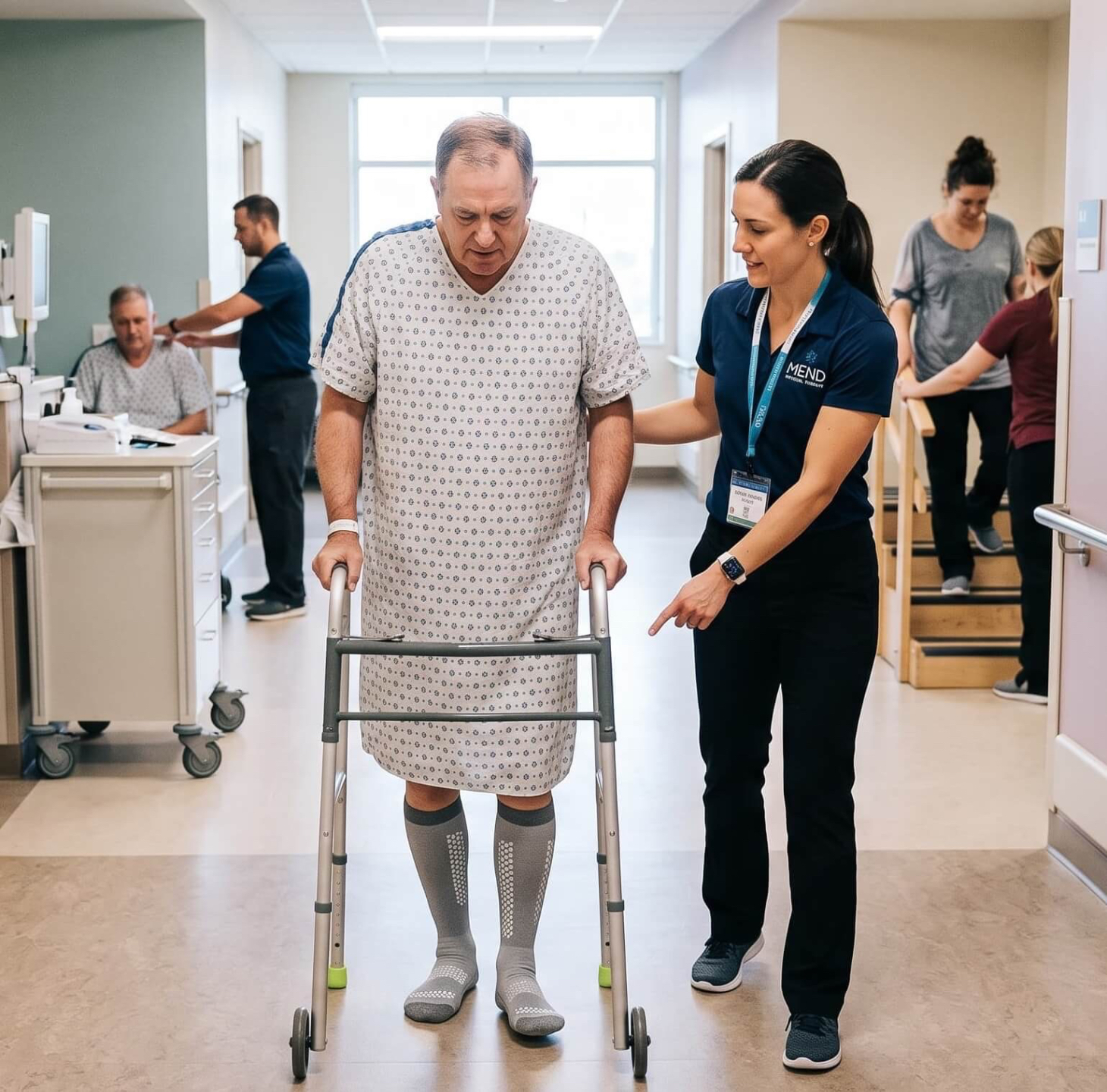
What This Means in PT Practice
Nutrition is not a replacement for physical therapy interventions. It is a supporting factor that can influence how well those interventions work. Recognizing this relationship allows rehabilitation professionals to approach care more comprehensively without overstepping scope of practice.

Note from Dr. Wells
In clinical practice, small changes in patient habits can have a noticeable impact on outcomes. Understanding how nutrition fits into recovery helps connect treatment plans with what patients are doing outside the clinic.
Continue Learning About Nutrition in Physical Therapy
If you want to better understand how nutrition fits into rehabilitation, these resources provide additional guidance and next steps.
Continuing Education Guide for PTs
Can Physical Therapists Give Nutrition Advice?
For clinicians looking to go deeper, structured continuing education can provide a clearer framework for applying these concepts in practice.
Build a Stronger Understanding of Nutrition in Rehabilitation
If you are looking to expand your clinical knowledge and better understand how nutrition impacts recovery, structured education can help connect these concepts to real-world practice.
Sources
- American Physical Therapy Association (APTA) — Nutrition in Physical Therapy
- Position papers on nutrition and rehabilitation (PubMed indexed literature)
- Nutritional Physical Therapy — educational positioning and course framework